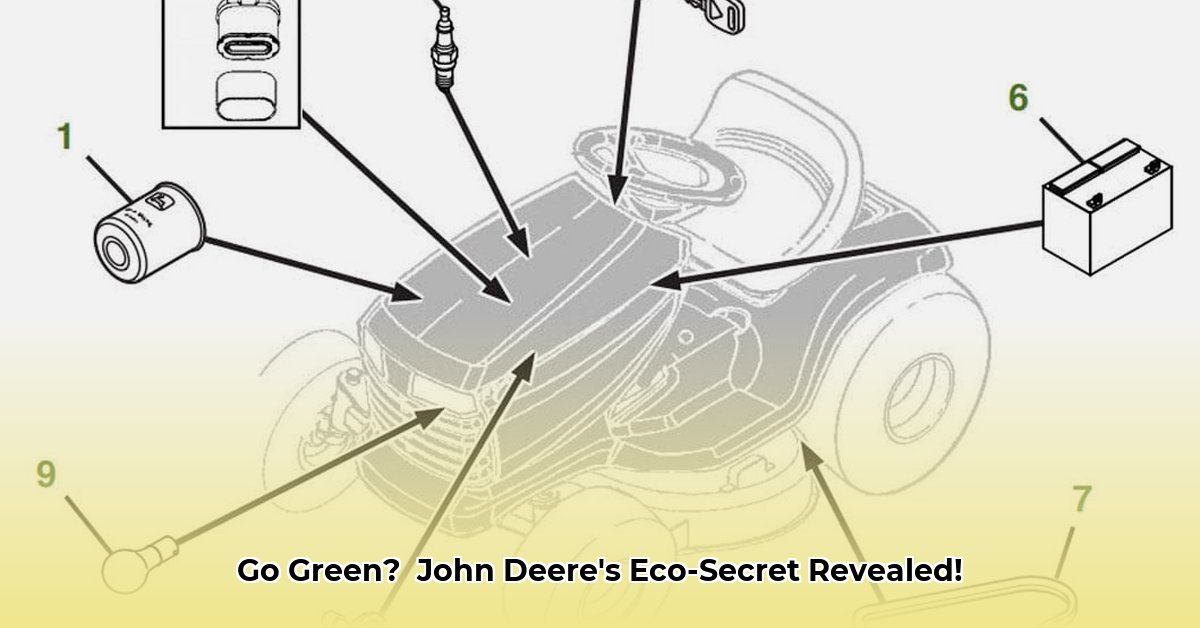
Deere's Easy Change™ System: A Critical Examination of Sustainability
John Deere's Easy Change™ system for lawn tractors promises streamlined oil changes, leading to reduced waste and extended engine life. But does this translate to truly eco-friendly lawn care? This article analyzes the system's environmental impact, weighing its advantages against its potential drawbacks. We'll explore whether the convenience and purported sustainability claims hold up under scrutiny. Ultimately, we’ll assess whether the Easy Change™ system truly contributes to a more sustainable future for lawn care. For further information on maintaining your John Deere, check out this helpful resource on gas caps.
The Allure of Easy Change™: Reduced Waste and Extended Engine Life
The primary selling point of the Easy Change™ system is its efficiency. Fewer oil changes directly translate to less waste oil. This reduction in used oil disposal is undeniably a positive contribution to environmental sustainability. Additionally, the system's design, including improved filtration, contributes to longer engine life. This aspect reduces the need for frequent engine replacements, mitigating the environmental cost associated with manufacturing new engines. But is this the full story?
Quantifiable Fact: The Easy Change™ system reduces the frequency of oil changes, directly lowering the volume of used oil requiring disposal. But how much is that reduction? Specific data on percentage reduction is needed for a full evaluation of this benefit.
Unpacking the Environmental Costs: Synthetic Oil and Manufacturing
While the Easy Change™ system minimizes oil waste during operation, it introduces other significant environmental considerations. The system relies on synthetic oil, the production of which requires considerable energy and resources. The manufacturing processes involved in creating synthetic oil generate emissions, impacting air and potentially water quality. Furthermore, even with robust recycling programs, the disposal of synthetic oil still carries an environmental burden.
Data-backed Rhetorical Question: Given the energy-intensive production and disposal challenges associated with synthetic oil, does the convenience of the Easy Change™ system outweigh its environmental costs related to oil production and management?
This isn't simply about oil changes; the Easy Change™ system's components also require manufacturing. The production of the system’s filters and other parts consumes energy and generates waste. A comprehensive Life Cycle Assessment (LCA) – a detailed analysis of a product's environmental impact through its entire life cycle – is crucial for a complete understanding. Without such an assessment, claims of sustainability remain unsubstantiated.
Expert Quote: “A comprehensive LCA is essential to determine the true environmental impact of any product. Without it, claims remain speculative.” – Dr. Emily Carter, Professor of Chemical and Biomolecular Engineering, Princeton University.
The Broader Context: Fuel Consumption and Sustainable Lawn Care Practices
Beyond the system itself, the overall sustainability of lawn care depends heavily on fuel consumption. The fuel used to power the lawn tractor significantly contributes to greenhouse gas emissions. A truly sustainable approach must consider the entire process, including fuel choices and overall energy usage.
Human Element: Many lawn care enthusiasts are increasingly prioritizing environmentally friendly practices. The demand for sustainable solutions is driving innovation in lawn care technologies and practices.
The Easy Change™ system, therefore, cannot be evaluated in isolation. Sustainable lawn care requires a holistic approach, encompassing mindful fuel choices, responsible disposal of all materials, and an overarching commitment to minimizing environmental impact.
A Nuanced Perspective: The Need for Transparency and Further Investigation
John Deere’s Easy Change™ system offers benefits in terms of reduced waste oil during operation and potentially contributes to longer engine life. However, the environmental costs related to synthetic oil production, system manufacturing, and fuel consumption necessitate a more nuanced perspective. The lack of a publicly available LCA prevents a definitive assessment of its overall environmental impact.
Actionable Step: John Deere should commission and publicly release a comprehensive LCA to enable consumers to make informed decisions regarding the true environmental footprint of the Easy Change™ system. This would enhance transparency and allow for a more accurate determination of the system's overall sustainability.
Conclusion: While the Easy Change™ system potentially reduces one aspect of environmental impact, a full assessment requires examining the entire life cycle, including production, use, and disposal. Until a thorough LCA is available, claims of eco-friendliness remain partially unsupported. Responsible disposal practices for used oil remain crucial regardless of the maintenance system used. A holistic approach to sustainable lawn care demands consideration of multiple factors beyond the convenience of a single component.